


Worldbuilding and Places
Breathe life into your maps. Explore our extensive library of fictional cartography tools, designed to ground your kingdoms, taverns, and abysses in deep, etymological realism.
Nothing breaks the immersion of a masterfully crafted fantasy map quite like a generic, uninspired place name. In the realm of worldbuilding, a location's name is not merely a label on a piece of parchment; it is a profound reflection of its history, the civilizations that founded it, and the topographical realities of its environment. From the bustling trade hubs of ancient empires to the forgotten ruins swallowed by creeping forests, every name carries etymological weight and narrative context that players and readers instantly recognize.Welcome to our Worldbuilding and Places archives, a comprehensive ecosystem designed for dungeon masters, fantasy novelists, and indie game developers. Rather than offering a chaotic list of randomized compound words, this hub organizes fictional cartography into deliberate, atmospheric categories. Explore our specialized libraries to discover lore-friendly naming conventions tailored for your settlements, majestic geographical landmarks, cultural establishments, and the sinister realms that lie hidden in the dark.
Explore Worldbuilding and Places Collections
Dive deeper into specialized worldbuilding and places names.
Settlements and Domains: Anchoring History in Fictional Cartography
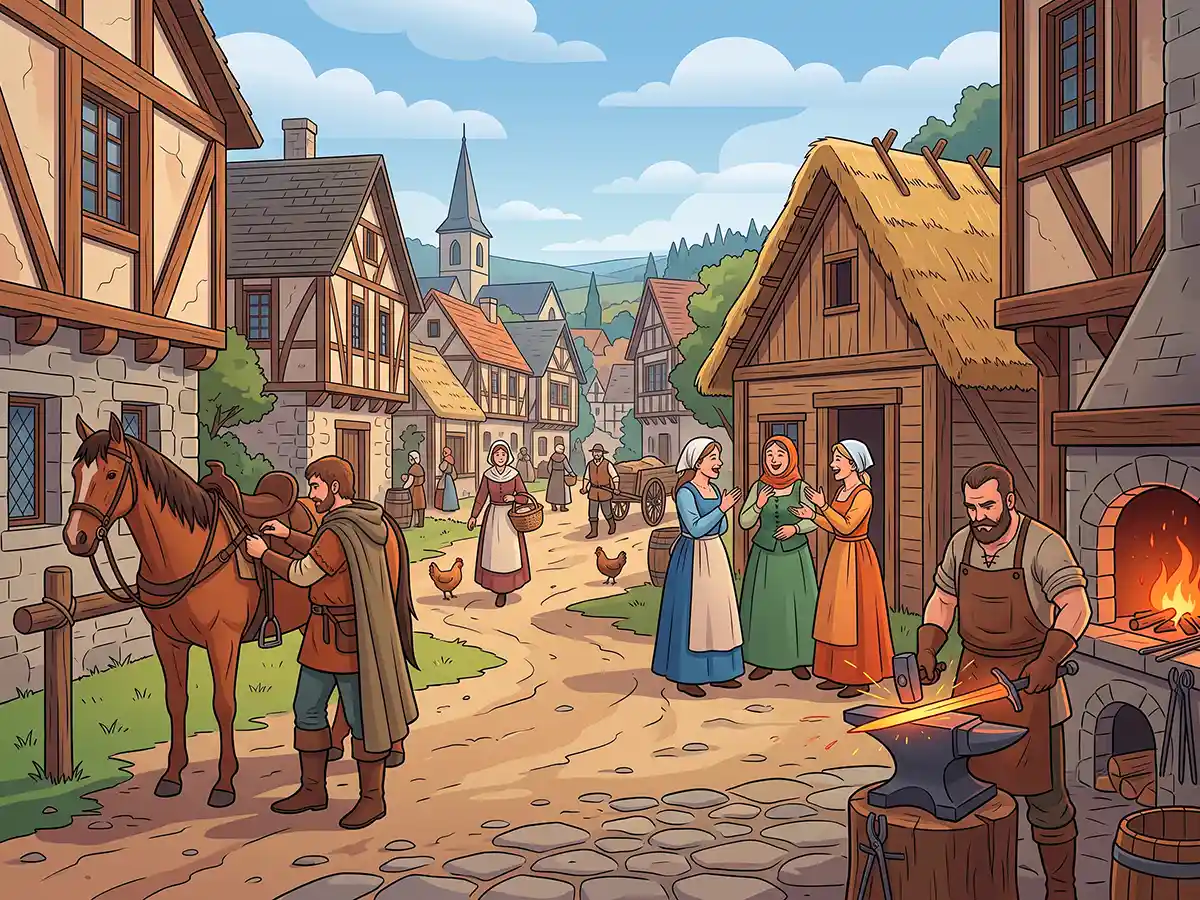
A believable town, city, or kingdom name is deeply rooted in the survival and history of its people. Real-world settlements are frequently named after vital resources, founding figures, or strategic geographical positions. When browsing our collections, you will find naming structures that reflect these realities.
- The Toponymy Rule: Names evolve over time. A fortress built by an ancient empire might eventually become a sprawling city, its modern name simply a distorted, localized version of the original language.
- Grounded Suffixes: Incorporating historical roots akin to real-world Anglo-Saxon suffixes (such as -bury, -ham, or -chester) can bring an immediate sense of grounded realism to a low-fantasy human kingdom.
Establishments: Naming Taverns, Guilds, and Points of Interest
Micro-worldbuilding is just as vital as grand geography. Establishments provide the cultural and social flavor of your world, giving life to the streets your characters walk. The naming conventions for these points of interest must align seamlessly with their local demographics and socioeconomic status.
Our establishment archives categorize names by vibe and purpose. You will discover that a tavern located in a high-class elven city utilizes drastically different linguistic patterns and imagery compared to a seedy, dockside brothel in a pirate cove. Explore these sub-categories to find the perfect atmospheric match for your local businesses and guildhalls.
Geography and Nature: Capturing the Scale of Your World
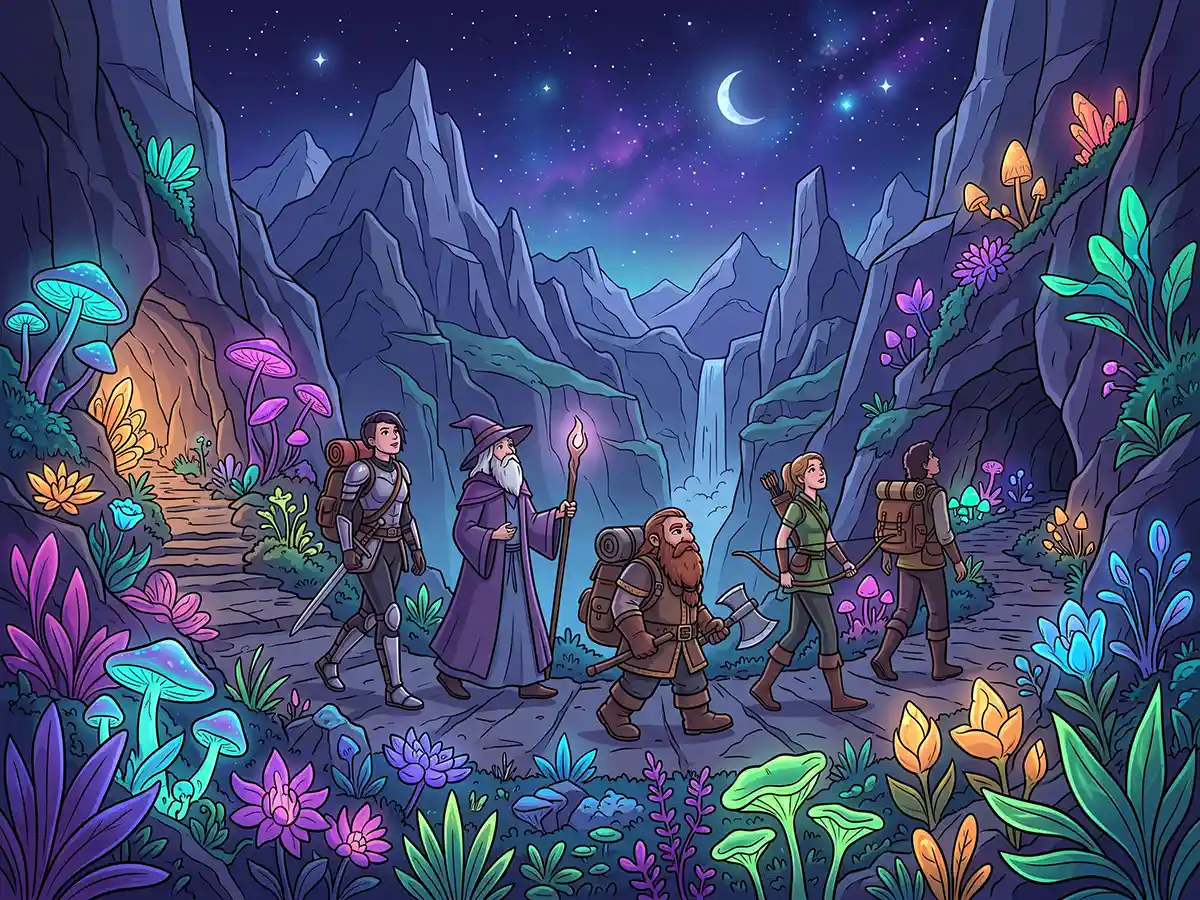
Rivers, mountain peaks, sprawling forests, and treacherous swamps require names that reflect their majesty and scale. Furthermore, geographical landmarks are usually named based on how the local inhabitants perceive them—whether they are revered as sacred, feared as deadly, or heavily harvested for resources.
- Cultural Lenses: A singular mountain might have three different names depending on whether you ask the dwarves who mine it, the elves who live in its shadow, or the humans who trade across its passes.
- Biome-Specific Linguistics: Harsh, frozen tundras often inspire sharp, abrupt consonants, while rolling plains and valleys invite softer, flowing vowels.
The Dark Places: Naming Dungeons, Crypts, and Abysses
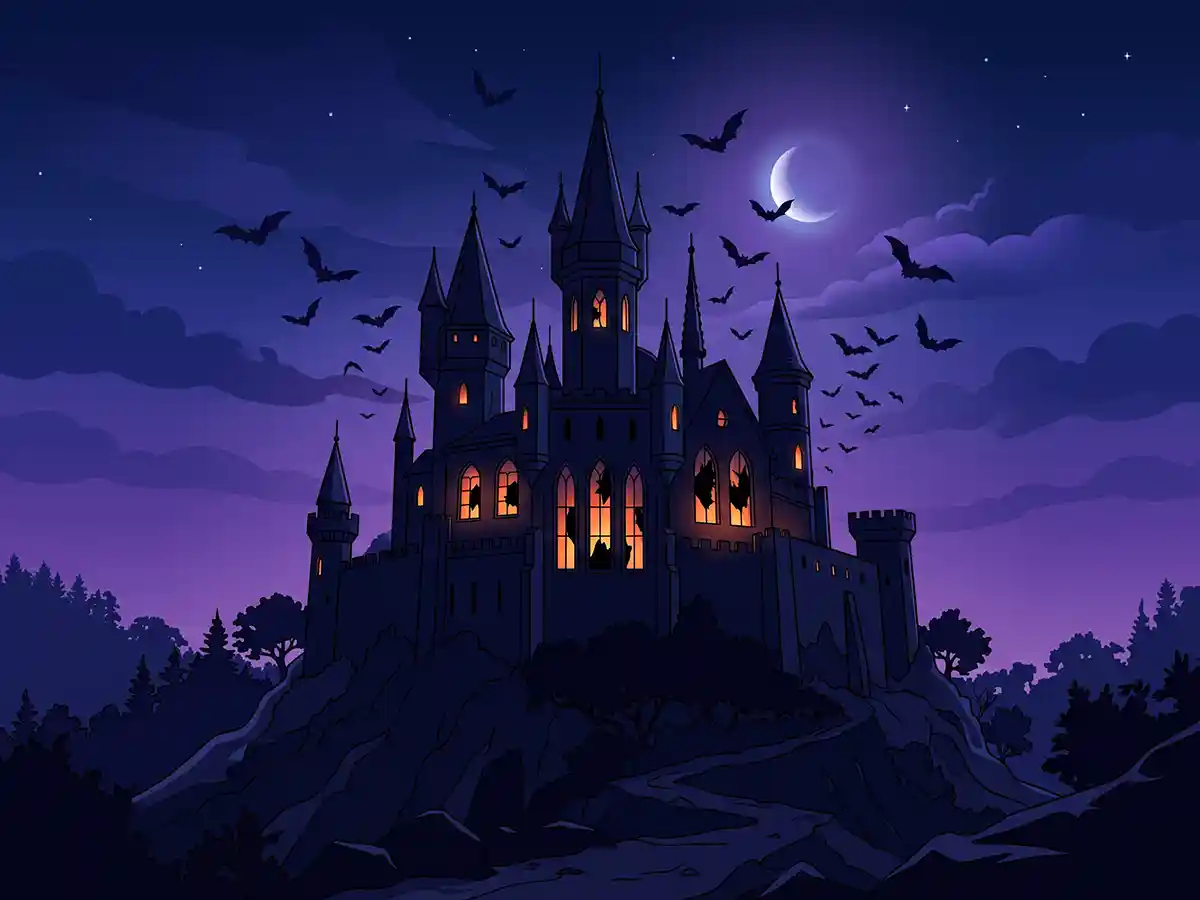
When adventurers step away from civilization, the tone of your worldbuilding must shift to emphasize terror, isolation, and antiquity. The dark places of your world—forgotten crypts, lovecraftian abysses, and cursed ruins—demand a specific phonetic structure to instill dread.
Our collections dedicated to sinister locales focus on sharp, guttural sounds, or unnervingly silent phonetic structures that imply a loss of history. By exploring this section, you can discover naming conventions that serve as a psychological warning to your players and readers, perfectly framing the dangers that lurk within.