


Historical Era Name Generators
Explore our highly accurate historical name generators. Dive into real etymology, social class nuances, and authentic naming traditions from various eras.
Nothing breaks a reader's immersion or a gamer's roleplay experience faster than an anachronistic name in a historical setting.Our historical era name generators provide rigorously researched, authentic names rooted in real etymology, completely free from modern blending and high fantasy tropes.Choose a specific time period below to discover names reflecting the true linguistic roots, social hierarchies, and naming conventions of antiquity, the Middle Ages, or the Industrial Revolution.
Discover All Generators
Find the perfect name for your next adventure or project.


The Evolution of Historical Naming Conventions
Understanding how naming conventions changed in history is crucial for crafting an immersive period piece or historical fiction. Unlike fantasy worlds, documented human history shows a clear evolution from descriptive single names to complex, inherited family titles depending heavily on the era and region.
- Viking Age Patronymics: In Norse cultures, fixed surnames did not exist. Instead, people used patronymics (like -son or -dottir) and descriptive epithets based on physical traits or deeds.
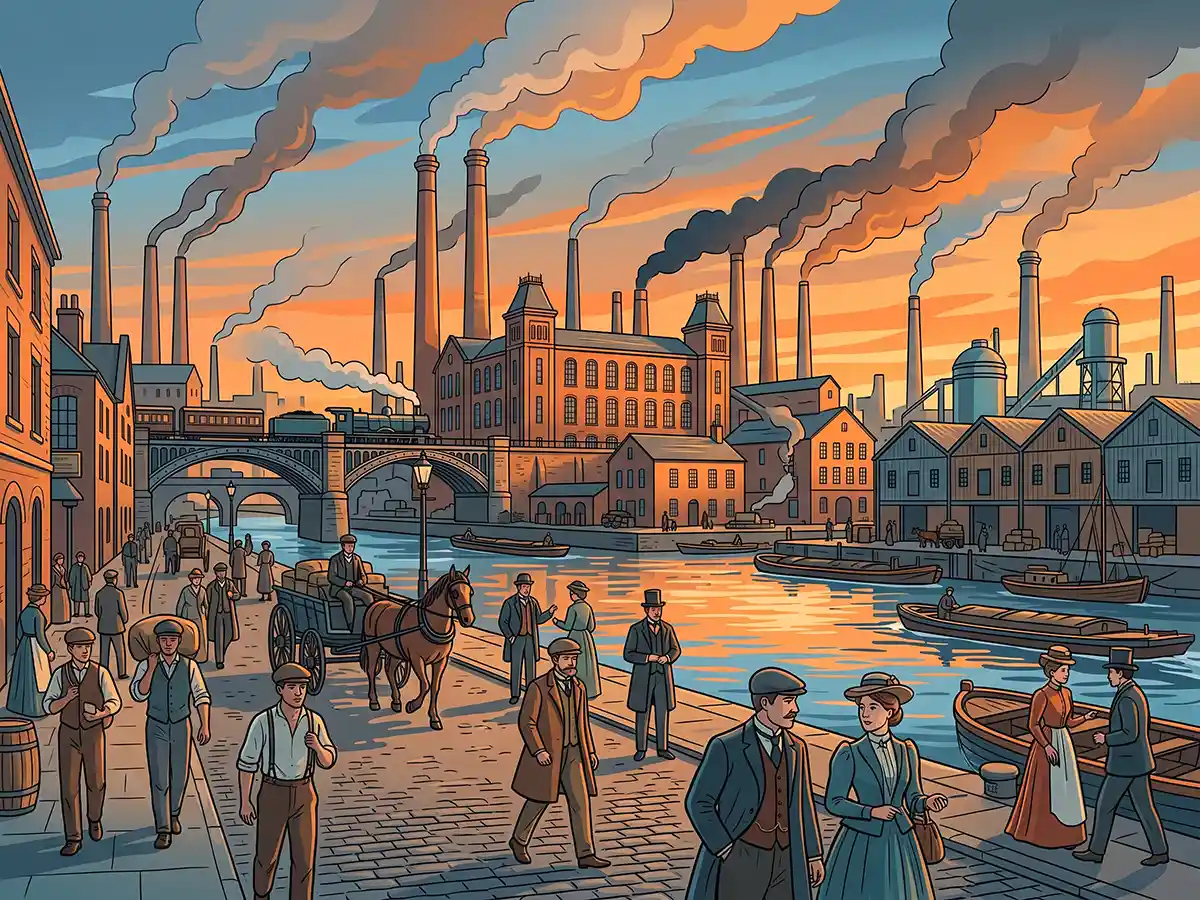
- Victorian Era Surnames: Fast forward to the Industrial Revolution, and fixed, hereditary surnames denoting trades, geographical locations, or deep lineage were strictly established across societal classes.
Why Authenticity Matters for Writers and Gamers
Many tools on the web carelessly mix Renaissance names with Victorian ones, or blend actual historical names with D&D fantasy tropes. We strictly separate history from fantasy. Whether you are an expectant parent seeking a classic revival name, or an indie game developer populating a massive database of NPCs, you need a random historical name generator with meanings to ensure true authenticity.
The Etymological Roots and Social Hierarchy
Our generators draw from distinct linguistic roots—Old Norse, Anglo-Saxon, Latin, and Old French—providing unparalleled accuracy. Furthermore, we account for social class nuances. A medieval duke of the aristocracy and a working-class serf of the peasantry did not follow the same naming conventions. By focusing on real etymology, lineage, and ancestry, we help you build rich backstories grounded in absolute historical accuracy.