



Historical Names
Step into the linguistic archives. Discover anachronism-free, historically vetted names tailored by precise era, region, and social class.
History is not just a backdrop; it is a complex web of social stratification, lineage, and cultural shifts. For historical fiction authors, screenwriters, and tabletop RPG game masters, a character's name is the first test of authenticity. Providing a 14th-century peasant with a high-society Victorian surname immediately shatters the suspension of disbelief. Authentic historical nomenclature requires more than just choosing a moniker that sounds archaic—it demands a deep understanding of patronymics, regional dialects, and extinct naming conventions that defined human societies across millennia. Welcome to the NameScroll Historical Hub, an algorithmic time machine built upon real genealogical archives, tax rolls, and historical records. This library is a curated collection of era-specific naming tools designed to prevent chronological bleeding and Hollywood-style historical inaccuracies. Whether you are navigating the complex title chains of the Ottoman Empire, deciphering the rigid structure of Roman citizen registries, or selecting a grounded, trade-based medieval byname, explore our categorized archives to anchor your worldbuilding in absolute linguistic reality.
Explore Historical Names Collections
Dive deeper into specialized historical names names.
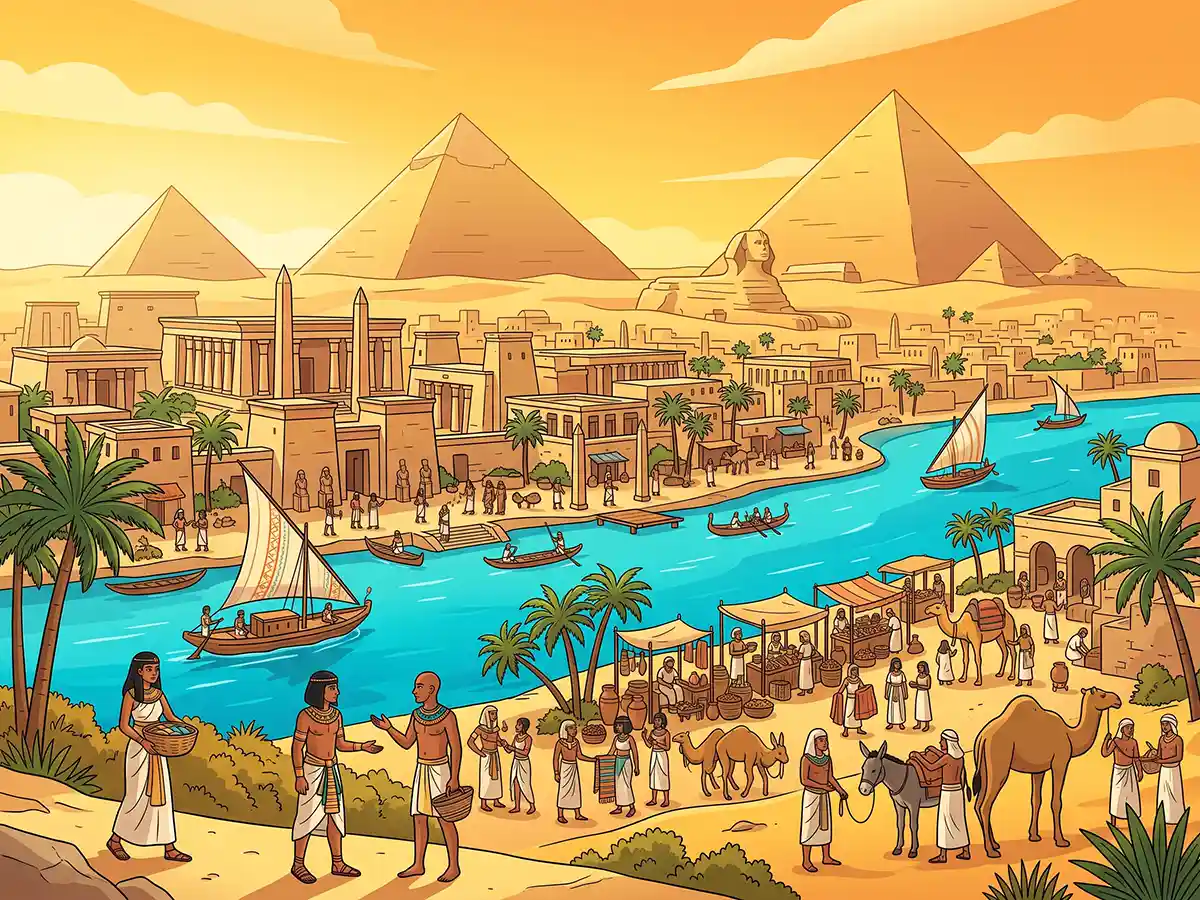
Ancient Roman Naming Conventions: Deciphering the Tria Nomina
The Roman Republic and Empire utilized a highly structured and rigid naming system that instantly communicated a citizen's lineage and social standing. Rather than a single given name, male Roman citizens were defined by a tripartite system.
- Praenomen: The personal given name, of which there were only a few dozen in regular use (e.g., Gaius, Lucius).
- Nomen: The gens or clan name, indicating the broader family lineage (e.g., Julius, Claudius).
- Cognomen: Originally a personal nickname or physical descriptor that eventually became a hereditary marker for a specific family branch (e.g., Caesar).
- Patriarchal Feminine Names: Roman women rarely received unique praenomina. Instead, they were strictly given the feminized version of their father's Nomen. For instance, the daughter of Julius Caesar was simply Julia.
Ottoman Empire Nomenclature: Titles, Lineage, and the Absence of Surnames
A common pitfall when writing historical fiction set in the Middle East or Anatolia is the anachronistic use of modern surnames. In the Ottoman Empire, the concept of a fixed, hereditary family surname did not exist legally until the Surname Law of 1934. Authentic Ottoman naming conventions relied on a descriptive chain of identifiers.
- Ism (Given Name): The foundational personal name, often of Arabic, Persian, or Turkic origin.
- Patronymics: The lineage marker, utilizing "ibn" (son of) or the suffix "-zade" for noble and notable families.
- Titles & Honorifics: Markers of social rank and profession, such as Pasha, Bey, Effendi, or Hatun, which were appended to the given name.
- Lakap: A descriptive nickname based on physical traits, regional origins, or character flaws (e.g., "Topal" for lame, or "Bargir" for workhorse).
Review our Ottoman archives to understand how to properly string these elements together without falling into the trap of generic, modern naming systems.
Victorian Era Naming: The Great Class Divide
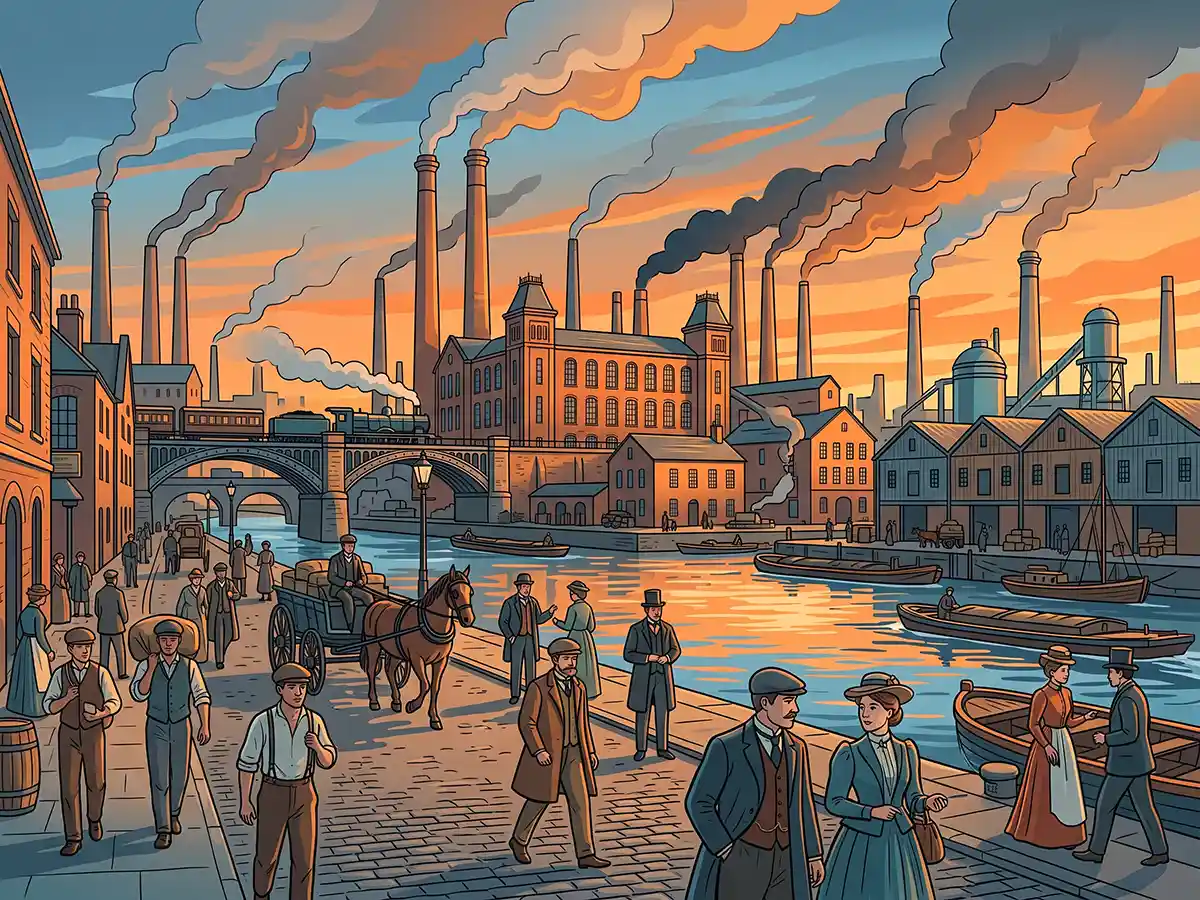
The 19th century was defined by intense social stratification, and this divide was starkly reflected in everyday nomenclature. You cannot authentically mix upper-class aristocratic conventions with the names of the working poor from London's East End.
- The Aristocracy and Gentry: High-society families frequently utilized double-barreled surnames to preserve wealth and lineage. Given names often drew from classical Greek and Roman history, or utilized prominent virtue names as overt status symbols.
- The Working Class: Laborers and the urban poor relied heavily on traditional, highly repetitive biblical names. Lineages were often tied closely to local trades rather than expansive, inherited estates.
The Pitfall of "Fantasy Medieval" vs. True History
Writers often blur the lines between historical medieval Europe and high-fantasy realms. True historical fiction requires abandoning the poetic, over-stylized names of fantasy literature in favor of grounded, gritty realism.
Authentic 12th to 14th-century names were deeply rooted in religious devotion, immediate geography, or straightforward professions. A peasant was far more likely to be known simply as "John the Miller" or "William of York" than by an elaborate, multi-syllabic surname. Explore the socio-chronological filters within our medieval collections to ensure your characters reflect the true archival records of their designated century.