


Authentic Polish Name Generator
Generate culturally accurate Polish first names and gender-matched surnames for characters, babies, or ancestral research. Find your perfect name today!
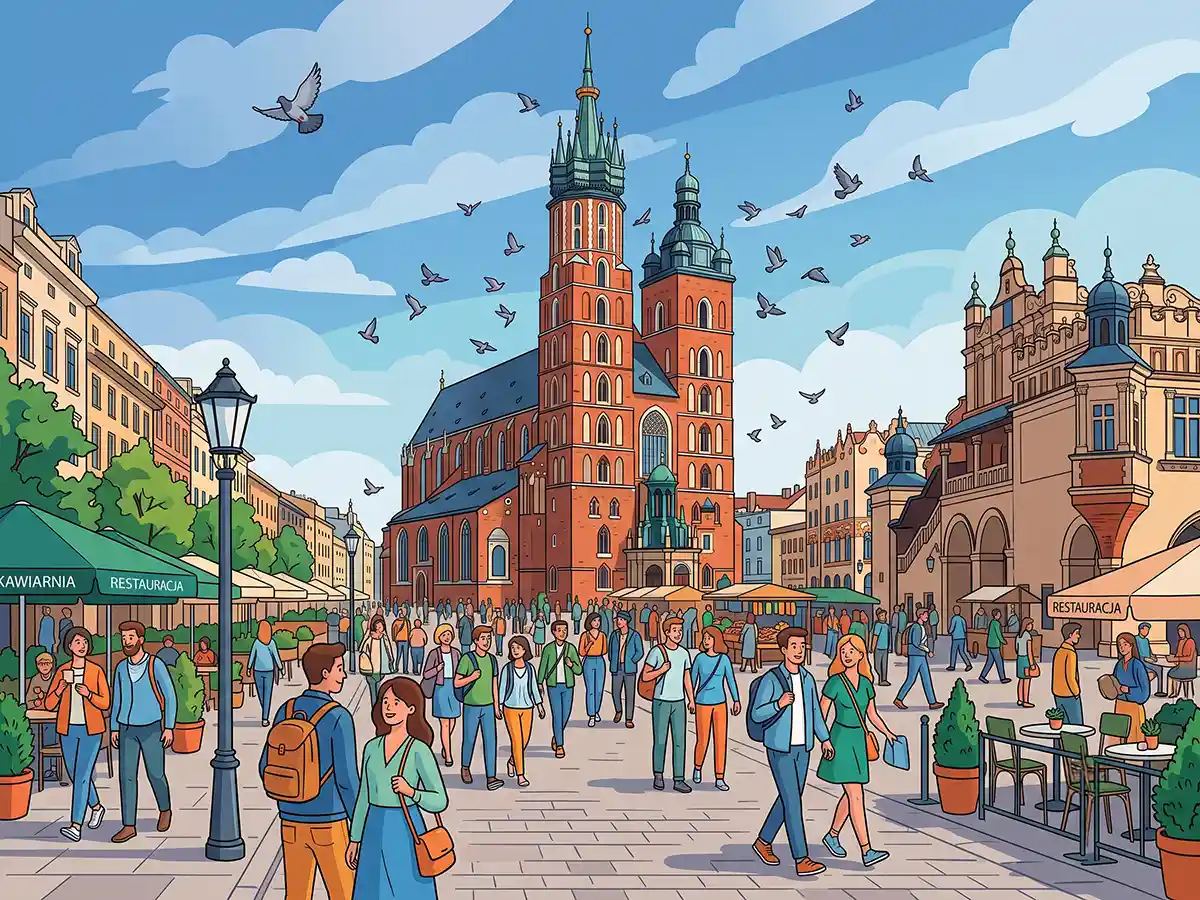
Polish naming culture is a beautiful tapestry of Slavic heritage, Catholic traditions, and complex linguistic rules that deeply honor family lineage.
Whether you are researching your ancestry, seeking a traditional baby name, or writing a historical novel, our generator provides culturally authentic results featuring correct gendered suffixes and accurate diacritics.
Related Generators
Explore our curated collection of related naming tools.



How to Use the Polish Name Generator
Generate Polish names with our name generator. Follow these simple steps to get started:
Click the 'Generate Names' button to instantly generate a batch of 5 unique Polish names.
Click on any generated name to open its card and view its detailed breakdown, description, and information.
Hit the Heart icon next to a name to save it directly to your personal Favorites drawer.
Use the Copy icon to instantly copy your favorite name to your clipboard.
Not quite what you're looking for? Simply click 'Generate Names' again for a fresh batch of 5 new ideas.
Who is this Polish name generator for?
Finding culturally accurate modern Polish names requires more than just guessing consonants, which is why utilizing a reliable Polish name generator ensures your aliases reflect contemporary Poland perfectly. Whether you are hunting for authentic male and female Polish names for an upcoming novel set in Warsaw or simply need random Polish surnames for a realistic roleplaying campaign, this tool provides instant, everyday naming options.
Generator Methods & Naming Conventions
Explore the algorithmic naming strategies used to generate culturally accurate Polish names based on traditional Slavic linguistic rules.
Combines a traditional Polish first name directly with a matching surname, honoring strict gender-specific suffix rules (e.g., -ski for males, -ska for females).
Inserts a common, affectionate Polish diminutive between the formal first name and the surname, reflecting authentic everyday cultural usage.
Example Polish Names
Need quick inspiration? Here are 20 authentic Polish names generated by our tool, showcasing gender-specific surname rules and traditional diminutives.
| Generated Name | Gender | Meaning & Themes |
|---|---|---|
| Jan Kowalski | Male | Traditional. Jan: God is gracious. Kowalski: Blacksmith. |
| Anna Wiśniewska | Female | Traditional. Anna: Grace. Wiśniewska: From the cherry tree town. |
| Jakub "Kuba" Kamiński | Male | Traditional & Diminutive. Jakub: Supplanter. Kuba: Diminutive for Jakub. Kamiński: From the stone town. |
| Katarzyna "Kasia" Lewandowska | Female | Traditional & Diminutive. Katarzyna: Pure. Kasia: Diminutive for Katarzyna. Lewandowska: Derived from the lavender estate. |
| Piotr Zieliński | Male | Traditional. Piotr: Rock. Zieliński: From the green place. |
| Zofia Szymańska | Female | Modern & Traditional. Zofia: Wisdom. Szymańska: Follower of Szymon. |
| Jan "Jasiek" Dąbrowski | Male | Traditional & Diminutive. Jan: God is gracious. Jasiek: Diminutive for Jan. Dąbrowski: From the oak grove. |
| Anna "Ania" Jankowska | Female | Traditional & Diminutive. Anna: Grace. Ania: Popular short form of Anna. Jankowska: From Jan's family. |
| Kacper Wojciechowski | Male | Modern & Traditional. Kacper: Treasurer. Wojciechowski: Belonging to Wojciech's family. |
| Agnieszka Kozłowska | Female | Traditional. Agnieszka: Pure or holy. Kozłowska: From the goat place. |
| Szymon Nowak | Male | Modern & Traditional. Szymon: He has heard. Nowak: The new one. |
| Maja Wójcik | Female | Modern & Traditional. Maja: Splendor or mother. Wójcik: Son of the village headman. |
| Piotr "Piotrek" Mazur | Male | Traditional & Diminutive. Piotr: Rock. Piotrek: Casual diminutive for Piotr. Mazur: Person from the Mazovian region. |
| Zofia "Zosia" Krawczyk | Female | Modern, Diminutive & Traditional. Zofia: Wisdom. Zosia: Endearing diminutive for Zofia. Krawczyk: Little tailor. |
| Mateusz Grabowski | Male | Modern & Traditional. Mateusz: Gift of God. Grabowski: From the hornbeam grove. |
| Julia Piotrowska | Female | Modern & Traditional. Julia: Youthful. Piotrowska: From Piotr's line. |
| Bartłomiej "Bartek" Pawłowski | Male | Traditional & Diminutive. Bartłomiej: Son of Talmai. Bartek: Common diminutive for Bartłomiej. Pawłowski: Son of Paweł. |
| Aleksandra "Ola" Michalska | Female | Traditional & Diminutive. Aleksandra: Defender of mankind. Ola: Widespread diminutive for Aleksandra. Michalska: Daughter or line of Michał. |
| Filip Jabłoński | Male | Modern & Traditional. Filip: Lover of horses. Jabłoński: From the apple tree village. |
| Zuzanna Nowakowska | Female | Modern & Traditional. Zuzanna: Lily. Nowakowska: From the settlement of Nowak. |
Mastering Polish Naming Conventions: Heritage and Linguistics
The Rule of Gendered Surnames
- Masculine Suffixes: Surnames ending in -ski, -cki, or -dzki are strictly for males (e.g., Jan Kowalski).
- Feminine Suffixes: The female counterparts end in -ska, -cka, or -dzka (e.g., Anna Kowalska).
- Neutral Surnames: Names ending in consonants or -ba (like Nowak or Zaręba) typically remain the same for both genders.
Diminutives, Diacritics, and Imieniny
Frequently Asked Questions
Read More
Learn the linguistic roots, cultural heritage, and modern trends shaping real-world names.


Content Quality
- ✓ Reviewed for lore accuracy
- ✓ Community feedback welcome
- ✓ Updated regularly
Found an error or lore inaccuracy?